


2026 Honda CR-V for Sale in Leesburg, FL
2026 Honda CR-V for Sale in Leesburg, FL
Lake County shoppers keep landing on the same compact SUV, and the 2026 Honda CR-V at Jenkins Honda of Leesburg makes the case quickly: a 190-horsepower turbo or a 204-horsepower hybrid, an EPA rating of up to 43 city MPG, and a cabin that swallows a week of errands without folding a seat.
This year every trim gets the 9-inch touchscreen, wireless Apple CarPlay and Android Auto, and a wireless phone charger, and the new TrailSport Hybrid brings all-terrain capability to the lineup. Here is what the 2026 CR-V offers, section by section.
View Inventory View Vehicle Specials
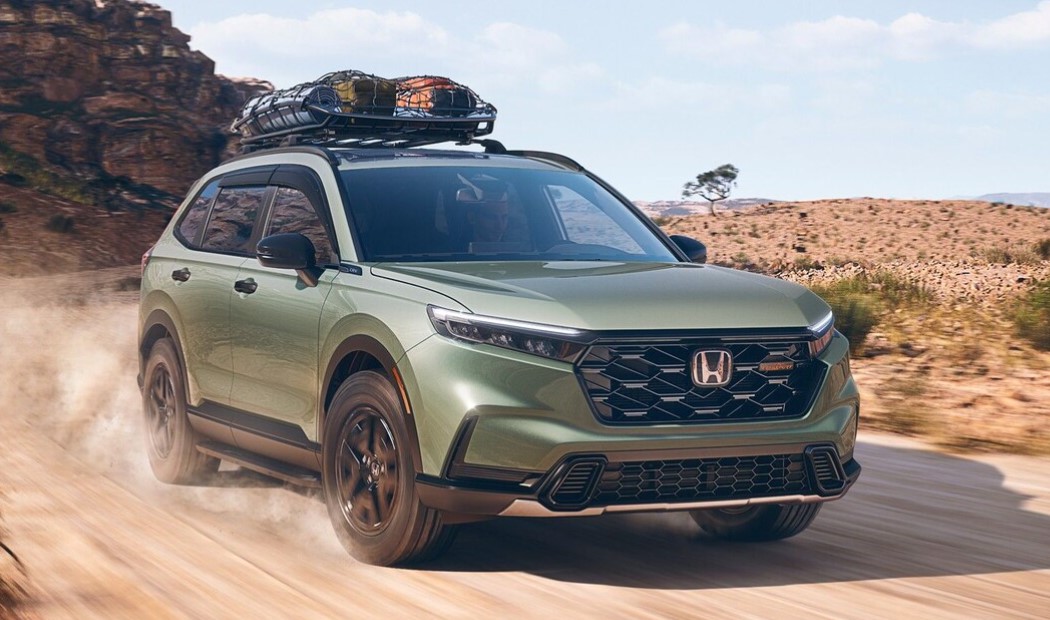
2026 Honda CR-V Performance
The gas CR-V pairs a 1.5-liter turbocharged four-cylinder, rated at 190 horsepower and 179 lb-ft of torque, with a CVT and an EPA rating of 28 city/33 highway MPG in front-wheel-drive form. The hybrid answers with a 2.0-liter engine and two electric motors for 204 total system horsepower, 247 lb-ft, and an EPA rating of 43 city/36 highway MPG with front-wheel drive.
Real Time AWD is available on the gas trims and on the Sport and Sport-L Hybrids, and it comes standard on the TrailSport Hybrid and Sport Touring Hybrid. Properly equipped, gas models are rated to tow 1,500 pounds and hybrids 1,000.
- 1.5-liter turbo with 190 horsepower and 179 lb-ft
- Two-motor hybrid with 204 horsepower and 247 lb-ft
- EPA-rated 43 city/36 highway MPG (hybrid FWD)
- EPA-rated 28 city/33 highway MPG (gas FWD)
- Real Time AWD standard on TrailSport and Sport Touring Hybrids
- Rated to tow up to 1,500 pounds (gas, properly equipped)
CR-V Towing Capacity
Based on 2026 EPA mileage ratings. Use for comparison purposes only. Your mileage will vary depending on how you drive and maintain your vehicle, driving conditions, battery-pack age/condition (hybrid trims) and other factors.
2026 Honda CR-V Technology
Honda stopped rationing the good screens. For 2026, the 9-inch touchscreen with wireless Apple CarPlay and Android Auto is standard on every CR-V, and so is a wireless phone charger, which means the LX comes off the truck better equipped than many rivals’ mid-lineup cars.
EX-L and the upper hybrid trims add a 10.2-inch digital instrument cluster, hybrids include Wi-Fi hotspot capability, and the Sport Touring Hybrid stacks on Google built-in plus a 12-speaker Bose sound system.
- 9-inch touchscreen standard on every trim
- Wireless Apple CarPlay and Android Auto standard
- Wireless phone charger standard across the lineup
- 10.2-inch digital instrument cluster on EX-L and above
- Wi-Fi hotspot capability on hybrid trims
- Google built-in and 12-speaker Bose audio on Sport Touring Hybrid
2026 Honda CR-V Safety Features
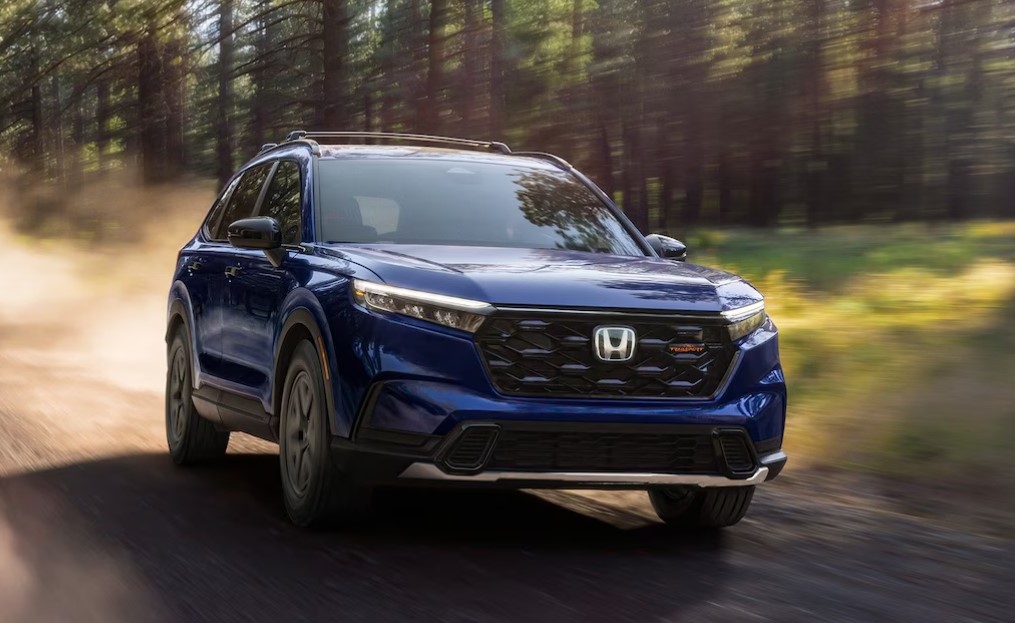
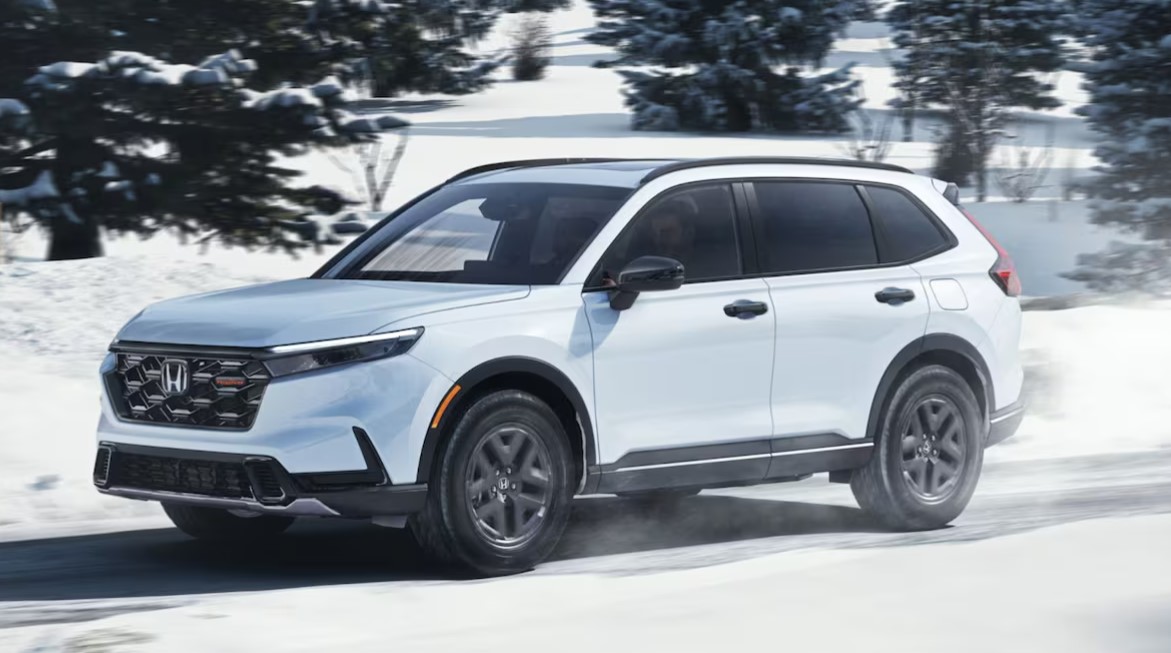
Every 2026 CR-V carries the Honda Sensing suite: Collision Mitigation Braking, Road Departure Mitigation, Adaptive Cruise Control with Low-Speed Follow, and Lane Keeping Assist. Blind Spot Information with Cross Traffic Monitor is included on EX and above.
Upper trims add Low-Speed Braking Control plus front and rear parking sensors, useful anywhere between a packed downtown Leesburg street festival and a tight garage.
- Honda Sensing standard on every trim
- Collision Mitigation Braking System
- Adaptive Cruise Control with Low-Speed Follow
- Lane Keeping Assist standard
- Blind Spot Information with Cross Traffic Monitor on EX and above
- Front and rear parking sensors on upper trims
2026 Honda CR-V Interior
Cargo is where the CR-V wins arguments: 39.3 cubic feet behind the rear seats in gas models and 76.5 with them folded, with hybrids carrying 36.3 cubic feet behind the second row. Five adults sit comfortably, and wide door openings make loading child seats or mobility gear painless.
Materials climb from tough cloth to perforated leather on EX-L, Sport-L Hybrid, and Sport Touring Hybrid, with heated front seats, dual-zone climate control, and a power tailgate joining along the way. The TrailSport Hybrid gets its own amber-stitched cabin treatment.
- 39.3 cubic feet behind the rear seats (gas models)
- Up to 76.5 cubic feet with the seats folded
- Perforated leather on EX-L, Sport-L Hybrid, and Sport Touring Hybrid
- Heated front seats and dual-zone climate available
- Available power tailgate
- Amber-stitched TrailSport Hybrid cabin
2026 Honda CR-V Exterior
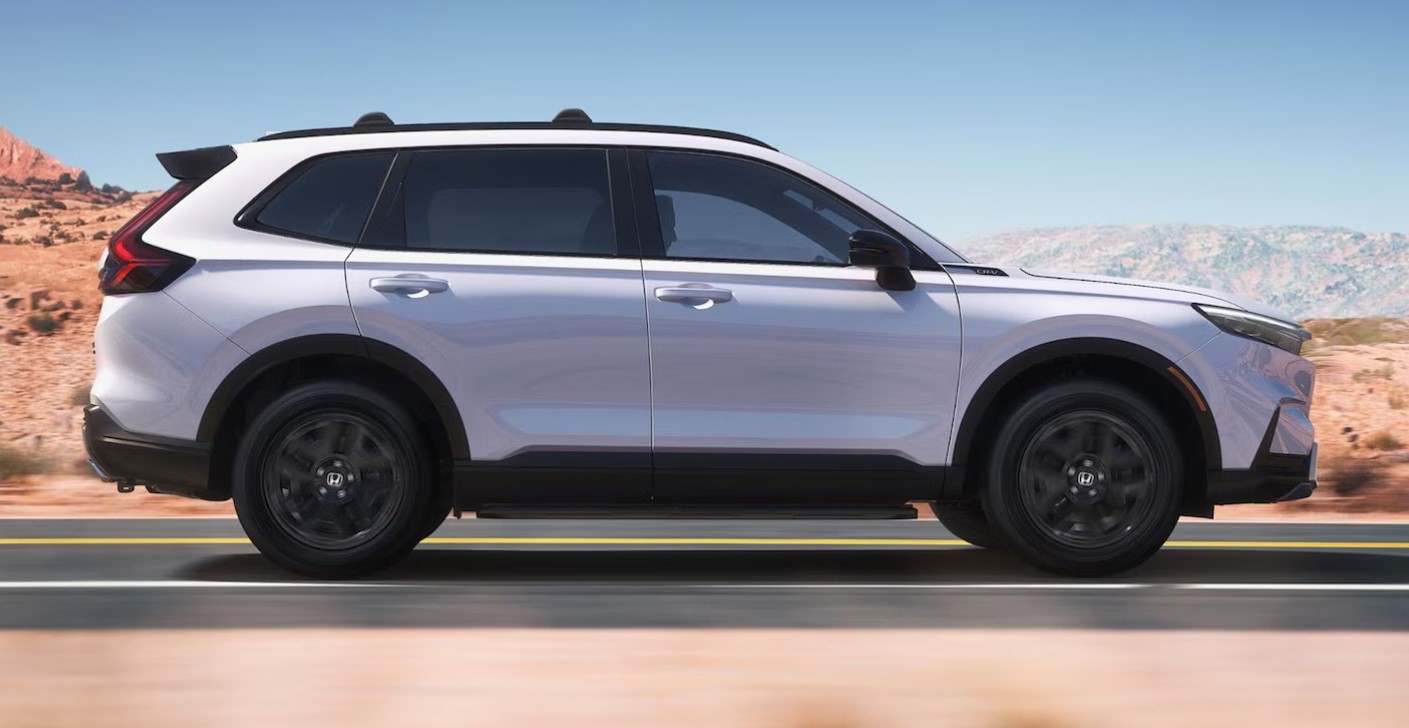
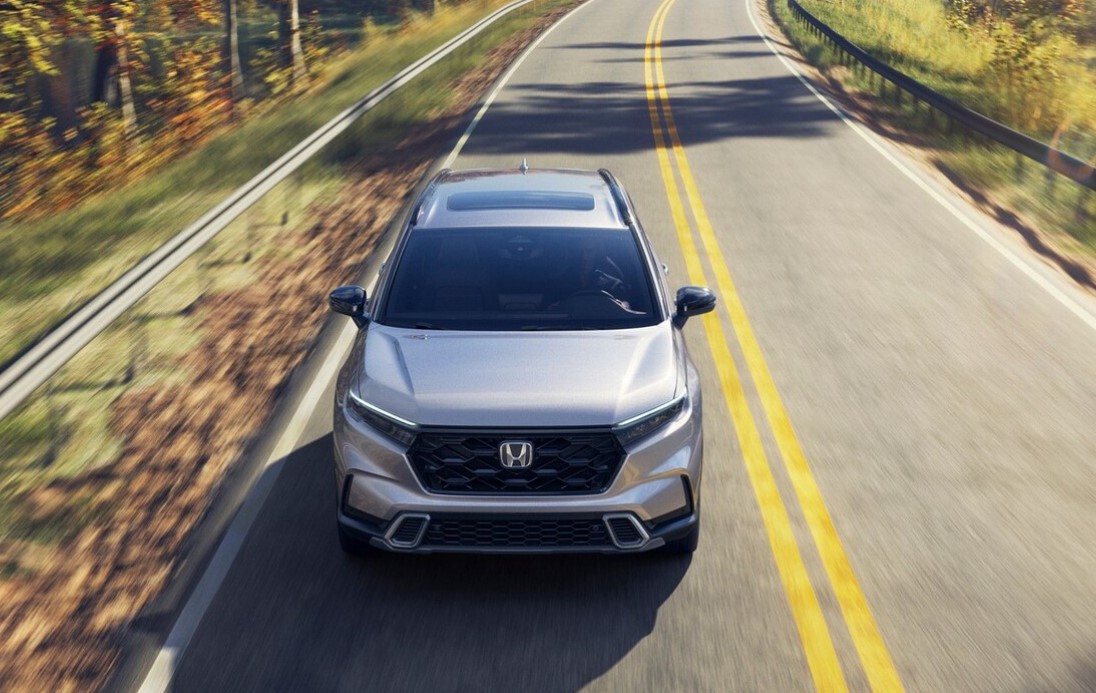
At 184.8 inches long with LED lighting across the range, the CR-V reads clean rather than busy, and it still fits a standard parking space. Wheels run from 17 to 19 inches depending on trim.
The TrailSport Hybrid is the visual outlier in the best way: Continental all-terrain tires, silver accents, orange badging, and up to 8.2 inches of ground clearance on AWD models for sandy boat-ramp lots and grass parking.
- 184.8 inches long, parks like a compact
- LED lighting across the lineup
- 17- to 19-inch wheels by trim
- Continental all-terrain tires on TrailSport Hybrid
- Orange badging and silver TrailSport accents
- Up to 8.2 inches of ground clearance (AWD)
Why buy from Jenkins Honda of Leesburg?
Jenkins Honda of Leesburg sells the CR-V the way neighbors recommend it: straight answers on gas versus hybrid, transparent pricing you can check from your couch, and no upsell theater. We are right on US-441, an easy run from Tavares, Fruitland Park, Mount Dora, and The Villages.
Browse the current 2026 CR-V inventory online, then come drive one. The spec sheet is convincing; the test drive usually closes the argument.